


explore our blog
How to Pack and Protect Furniture for your Port Charlotte Move (So Nothing Gets Scratched)
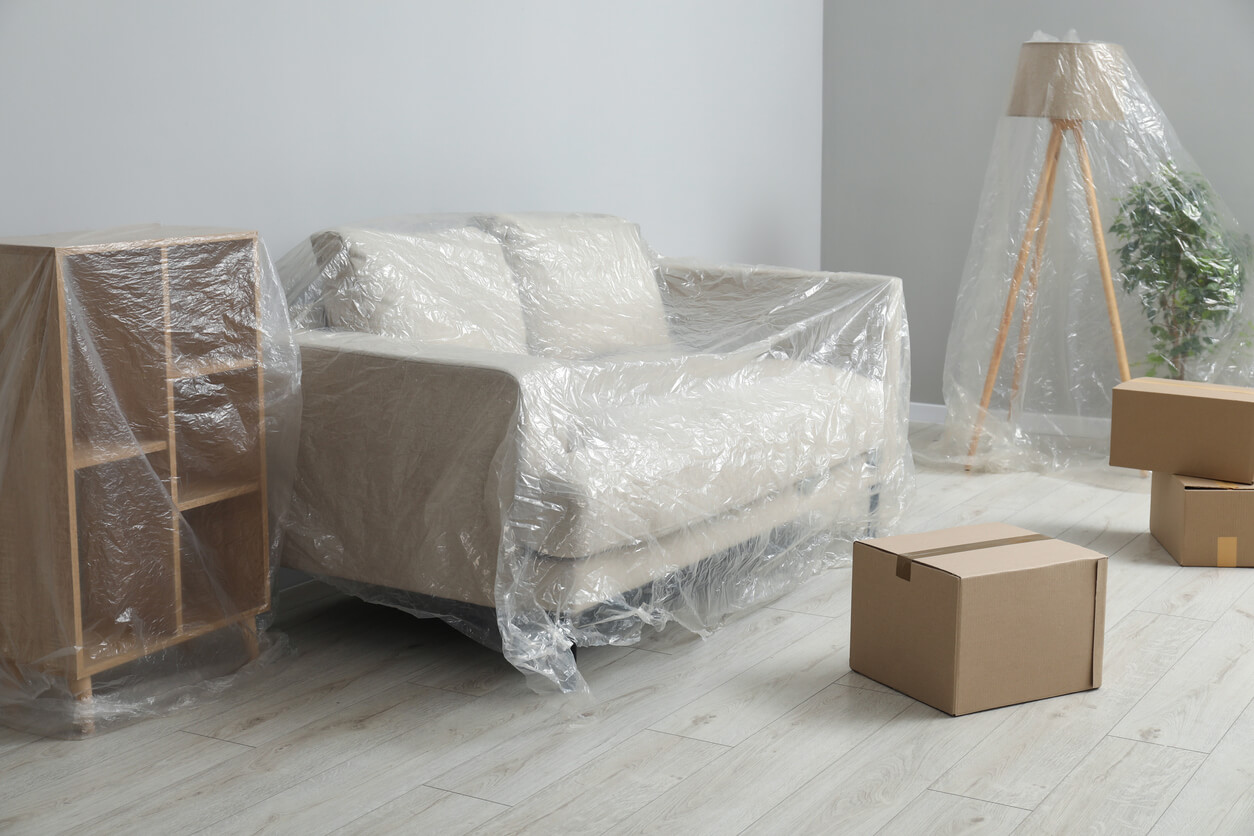
Furniture never looks heavier than it does on moving day.
A couch that felt perfectly ordinary in your living room suddenly turns into a wall-sized puzzle piece. Your dining table becomes a scratch magnet. Bed frames somehow multiply into loose bolts, slats, and mystery hardware. And if you’re moving in Port Charlotte, there’s another layer to think about: heat, humidity, sudden rain, and the reality that one careless trip between the house and the truck can leave wood swollen, fabric damp, or corners chewed up before you even hit the road.
That’s why learning how to pack furniture for moving matters so much. Good packing is not just about wrapping things up and hoping for the best. It’s about creating a barrier between your furniture and all the things that damage it: friction, pressure, moisture, dirt, shifting weight, and rushed handling. When it’s done right, your furniture arrives looking the same as it did before the first box was taped shut.
Start with a real furniture packing plan
Before you touch the moving blankets or the tape gun, take inventory. Walk room to room and make a list of every large piece you plan to move: sofas, dressers, dining chairs, bed frames, coffee tables, bookshelves, patio furniture, desks, and anything fragile or oversized. This sounds basic, but it changes everything. A written plan helps you figure out what needs to be disassembled, what needs special materials, and what should be loaded last or first.
It also helps you avoid the classic moving-day mistake: using the same packing method for every piece. A glass-top table should not be wrapped like a recliner. A solid wood dresser needs different protection than a metal patio set. Think of furniture packing less like putting on one big coat and more like dressing for weather. Some pieces need padding, some need waterproofing, and some need both.
In Port Charlotte, weather should be part of that plan from the start. Even if your move is local, furniture can still be exposed to damp air, rain showers, or sticky Gulf Coast humidity while being carried, staged, or loaded. That means breathable protection matters, but so does moisture resistance. Packing well here is not just about impact protection. It’s about climate protection too.
Gather the right packing materials before moving day
The fastest way to scratch furniture is to improvise with the wrong supplies. Old sheets, thin plastic, and random leftover boxes can help in a pinch, but they are not enough for quality furniture protection. If you want to prevent scuffs, dents, and torn upholstery, use materials designed for moving.
A strong furniture packing setup should include moving blankets, stretch wrap, bubble wrap, packing paper, corrugated cardboard sheets, mattress bags if needed, furniture pads, packing tape, zip-top bags for hardware, and labels or painter’s tape for identification. For delicate wood or glass, corner protectors are also worth using. They seem small until one clipped doorway turns a clean edge into a chipped one.
One important note: never tape directly onto wood, leather, or finished surfaces. Tape can peel finish, leave residue, or discolor materials, especially in heat. In Florida conditions, adhesive can get soft and nasty fast. Tape your padding to itself, not to the furniture. That one habit saves a lot of regret.
Clean furniture before you wrap it
It’s tempting to skip this step when you’re busy, but dirty furniture is easier to damage during a move. Dust and grit trapped under moving blankets can act like sandpaper. A dresser that looks clean enough may still have fine debris across the top, and once that gets rubbed under pressure, the finish pays the price.
Wipe down wood furniture with a dry or slightly damp microfiber cloth. Vacuum upholstered pieces, especially in seams and under cushions. Clean glass surfaces so you can clearly spot cracks, chips, or weak points before packing. If a piece already has existing damage, take a quick photo for your records. That gives you a baseline and helps you pack more carefully around vulnerable areas.
Cleaning also gives you a chance to dry everything fully before wrapping. That matters in humid conditions. Trapping moisture under plastic wrap or blankets can create musty smells, mildew risk, or sticky residue, especially if the furniture sits packed for any length of time.
Disassemble what you can
Large furniture gets damaged most often when movers try to force it through tight spaces fully assembled. Table legs catch walls. Bed frames bang stair rails. Sectionals scrape corners. Disassembly reduces size, awkward angles, and stress on joints.
Take apart bed frames, remove table legs, detach headboards, empty drawers when appropriate, and remove cushions from sofas. If your dining chairs have loose cushions, separate them and wrap them individually. Shelving units with removable shelves should be broken down as much as possible. The less strain on the structure, the better.
Put screws, bolts, washers, and brackets in labeled bags and tape the bag to the underside of the furniture or store all hardware in one clearly marked moving box. Do not toss hardware into a kitchen drawer and promise yourself you’ll remember later. That is how one bed frame turns into a 10 p.m. floor mattress situation.
How to protect wood furniture from scratches and dents
Wood furniture is usually the first thing people worry about, and for good reason. It scratches easily, corners chip, and polished finishes show every mistake. To pack wood furniture safely, start by removing any loose parts and emptying contents. Then wrap delicate areas first, especially corners, legs, and carved details.
Use moving blankets as your main protective layer. For especially delicate pieces, add packing paper or bubble wrap underneath the blanket, but avoid placing plastic bubble wrap directly against fine finished wood for long periods in heat. Some finishes react badly when they can’t breathe. Secure the blanket with stretch wrap around the blanket itself, not directly against the wood if possible.
Dressers and nightstands should have drawers secured so they don’t slide open during transport. Stretch wrap can help keep drawers shut, but add a furniture pad first so the wrap is not rubbing directly on the finish. For dining tables, remove legs if possible and protect the tabletop with a layer of cardboard or thick padding before wrapping. Think of tabletops like giant phone screens: flat, beautiful, and surprisingly easy to ruin with one bad hit.
How to wrap upholstered furniture
Sofas, armchairs, and dining chairs with fabric seats need a different approach. These pieces are less likely to chip, but more likely to tear, stain, or absorb moisture. Start by vacuuming thoroughly and removing any loose cushions. Wrap cushions separately if needed so they stay clean and keep their shape.
Use moving blankets to protect against abrasion, then use stretch wrap over the blankets to hold everything in place. For lighter-colored upholstery, this extra layer matters. Dirt from truck floors, hand traffic, or outdoor staging can transfer quickly. If there’s any chance of rain during your Port Charlotte move, you want that outer barrier in place before the piece ever leaves the house.
Leather furniture deserves extra care. It should be kept out of direct sun as much as possible during loading, since heat can dry and stress the material. Never press sharp tape edges or rough cardboard directly against leather. Keep the wrapping snug but not suffocating. You want protection, not a pressure cooker.
Pack glass, mirrors, and fragile furniture components separately
Any furniture with glass inserts, shelves, or mirrored panels should be treated as fragile from the beginning, not as an afterthought. Remove glass components whenever possible. Wrap each piece in packing paper, then bubble wrap, then place it in a specialty box or sandwich it between rigid cardboard sheets.
Label these pieces clearly and keep them upright during transport. Flat stacking sounds efficient, but it increases the chance of pressure cracks. A glass shelf might survive years in a cabinet and still shatter because one heavy box was set on top of it in the truck.
For china cabinets, curio cabinets, and entertainment units with glass doors, remove shelves and secure or detach doors if possible. If they stay attached, pad them heavily and make sure nothing can swing open. Fragile components should never be left to rattle around like they’re testing their own luck.
Don’t forget hardware, legs, and the small parts that matter later
One of the biggest packing mistakes is protecting the big piece while losing the little parts that make it usable. A dining table without its bolts is just a large decorative problem. The same goes for crib hardware, sectional connectors, shelf pins, caster wheels, and mounting brackets.
Every time you disassemble furniture, bag and label the hardware immediately. Write exactly what it belongs to, not just “table” or “bed.” Future-you will not find that helpful after ten exhausting hours of moving. “Guest room bed frame – left side bolts” is far better than a mystery bag of metal.
You can also take a few quick phone photos during disassembly. That gives you a visual guide for reassembly and can save a lot of frustration once everything is unloaded. Moving is tiring enough without turning furniture into a puzzle with missing clues.
Load furniture in the truck the right way
Even perfectly wrapped furniture can get damaged if it’s loaded badly. Packing and loading work together. One without the other is half a plan.
Heavy items should go in first, with weight distributed evenly across the truck. Furniture should stand securely, not lean at strange angles where pressure builds on one leg, arm, or corner. Use tie-downs to keep large pieces from shifting. Place moving blankets between items that could rub together in transit. Wood against wood, metal against painted surfaces, and anything with sharp edges should always be separated.
Keep furniture off bare truck walls when possible, especially if there’s any risk of moisture or heat buildup. In a local move, this may seem minor, but even short drives with repeated stops can cause pieces to slide or vibrate. Scratches often happen in motion, not during carrying. The truck turns into a rolling drawer of friction if things are not secured properly.
Watch out for Port Charlotte weather during the move
Moving furniture in Southwest Florida has its own personality. Heat arrives early. Humidity hangs around. Rain can show up with very little warning, especially during summer. That means your packing timeline matters almost as much as your materials.
Try not to wrap furniture days in advance if it will sit in a hot garage or storage area. Extended heat and trapped moisture are not a great combination. Instead, stage your supplies ahead of time and wrap closer to loading time. If rain is in the forecast, have a covered path, extra plastic sheeting, and dry towels ready. A five-minute downpour can soak a sofa arm faster than most people expect.
Wood furniture is especially sensitive to moisture swings, while upholstered items can hold dampness long after the surface feels dry. If anything gets wet during the move, unwrap it as soon as possible after arrival so it can air out properly. The goal is to protect furniture from scratches, yes, but also from the quiet damage that shows up later as warping, odor, or mildew.
Know when it makes sense to hire professional movers
Some furniture is simply harder to pack and protect than it looks. Oversized sectionals, antique dressers, glass-top dining tables, heavy solid wood pieces, and anything going up or down stairs can become a real risk if handled without the right tools or experience.
Professional movers know how to pad furniture, secure it in the truck, maneuver tight hallways, and protect both the item and the home around it. That matters when you’re trying to avoid scraped floors, gouged walls, or damage to furniture you’ve had for years. There’s a reason experienced movers make difficult pieces look boring. Boring is good on moving day.
If you’re planning a move in Port Charlotte and want less guesswork, less lifting, and fewer chances for damage, working with a local team can make the entire process smoother. Good movers do more than carry heavy things. They help prevent the kind of damage that happens when people are rushed, tired, and trying to make a king bed frame behave like it has manners.
Final tips for a scratch-free move
If you remember nothing else, remember this: furniture damage usually comes from friction, pressure, and exposure. So your job is to reduce all three. Pad surfaces well, disassemble what you can, separate pieces in the truck, secure everything tightly, and stay ahead of weather.
The best furniture packing jobs are almost invisible once the move is over. No dramatic rescue stories. No “good news, only one leg got chipped.” Just clean, protected furniture arriving the way it left. That’s the standard worth aiming for.
If you’d rather skip the trial-and-error part, Meridian Moving & Storage helps Port Charlotte residents protect their furniture with careful packing, professional handling, and the kind of attention that keeps small scratches from turning into expensive regrets. When your furniture matters, the way it’s packed matters too.